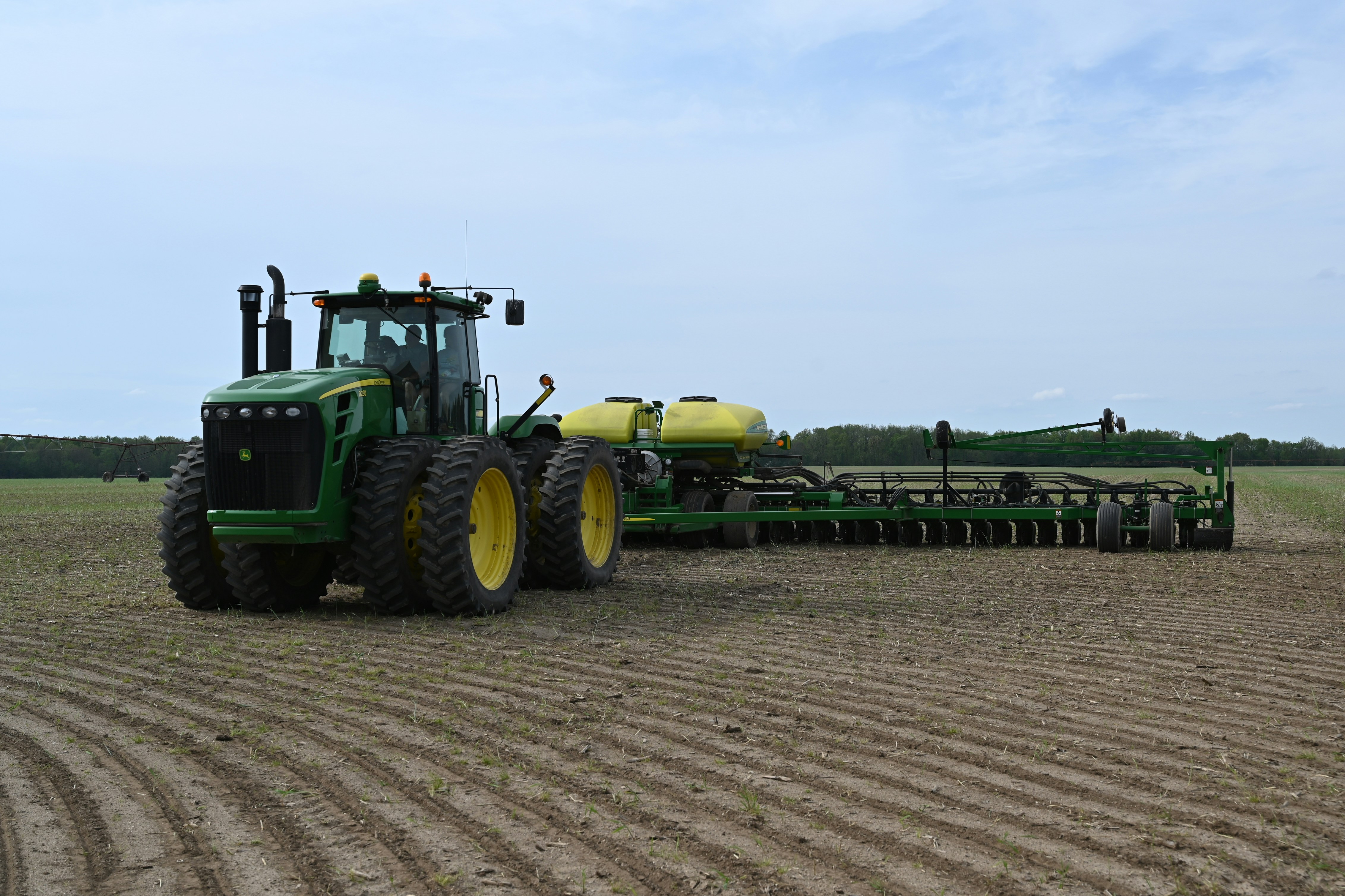
5 Key Benefits of AgriTech for Farmers
The world of agriculture is rapidly evolving—and at the heart of this transformation is AgriTech. From smallholder farmers to large-scale agribusinesses, technology is empowering farmers to produce more with less, adapt to changing climates, and unlock new income opportunities. But what does this mean in practical terms?

1. Increased Crop Yields
AgriTech solutions like precision farming, satellite imaging, and soil sensors allow farmers to tailor their approach to each crop and plot of land. Rather than relying on intuition alone, farmers can use real-time data to optimize:
Planting times
Fertilizer use
Pest control
Harvest scheduling
The result? Higher productivity and healthier crops. Farmers can now detect diseases early, address nutrient deficiencies quickly, and time interventions perfectly—maximizing output with minimal waste.
2. Cost Reduction
Farming is expensive—and every drop of water, gram of fertilizer, and hour of labor counts. AgriTech helps cut down on input costs through:
Smart irrigation systems that prevent overwatering
Automated machinery that reduces labor needs
AI tools that detect exactly where and when to apply pesticides
This level of efficiency helps farmers save money without compromising quality—making even small farms more profitable.
3. Better Risk Management
Weather unpredictability, pest outbreaks, and market fluctuations have always haunted farmers. AgriTech provides farmers with powerful tools to stay ahead of these risks:
Weather forecasting apps help plan for droughts or storms
Drones and sensors detect early signs of crop stress
Market platforms show real-time prices and buyer demand
With better information, farmers make smarter decisions, reducing uncertainty and financial losses.
4. Sustainable Farming Practices
AgriTech supports eco-friendly farming that benefits both the farmer and the environment. Technologies like:
Drip irrigation conserve water
Biofertilizers and precision spraying reduce chemical runoff
Digital soil maps promote better land use planning
This not only ensures long-term soil health and biodiversity but also positions farmers to access climate-smart subsidies and green markets.
5. Access to New Markets and Financing
Thanks to AgriTech platforms, farmers can now connect directly with buyers, access microloans, or join digital cooperatives. Mobile apps and blockchain tools are making transactions more transparent and trustworthy.
Farmers can sell produce via digital marketplaces
Mobile banking allows for faster payments and savings
Data from AgriTech tools helps build credit profiles for loans
In short, AgriTech opens doors—breaking down barriers that once held rural farmers back from growing their businesses.

The Takeaway
AgriTech isn’t just about gadgets and apps—it’s about empowering farmers to thrive in a changing world. Whether it’s increasing yield, lowering costs, or building resilience, technology is helping farmers grow smarter, stronger, and more sustainably.