
AgriTech's Impact on the Future of Agriculture
The global agriculture landscape is undergoing a transformative shift, driven by the rapid rise of agricultural technology—AgriTech. As climate change, population growth, and food security challenges intensify, farmers and innovators are turning to technology to make farming smarter, more efficient, and more sustainable.
Key Innovations Shaping the Future
1. Precision Agriculture
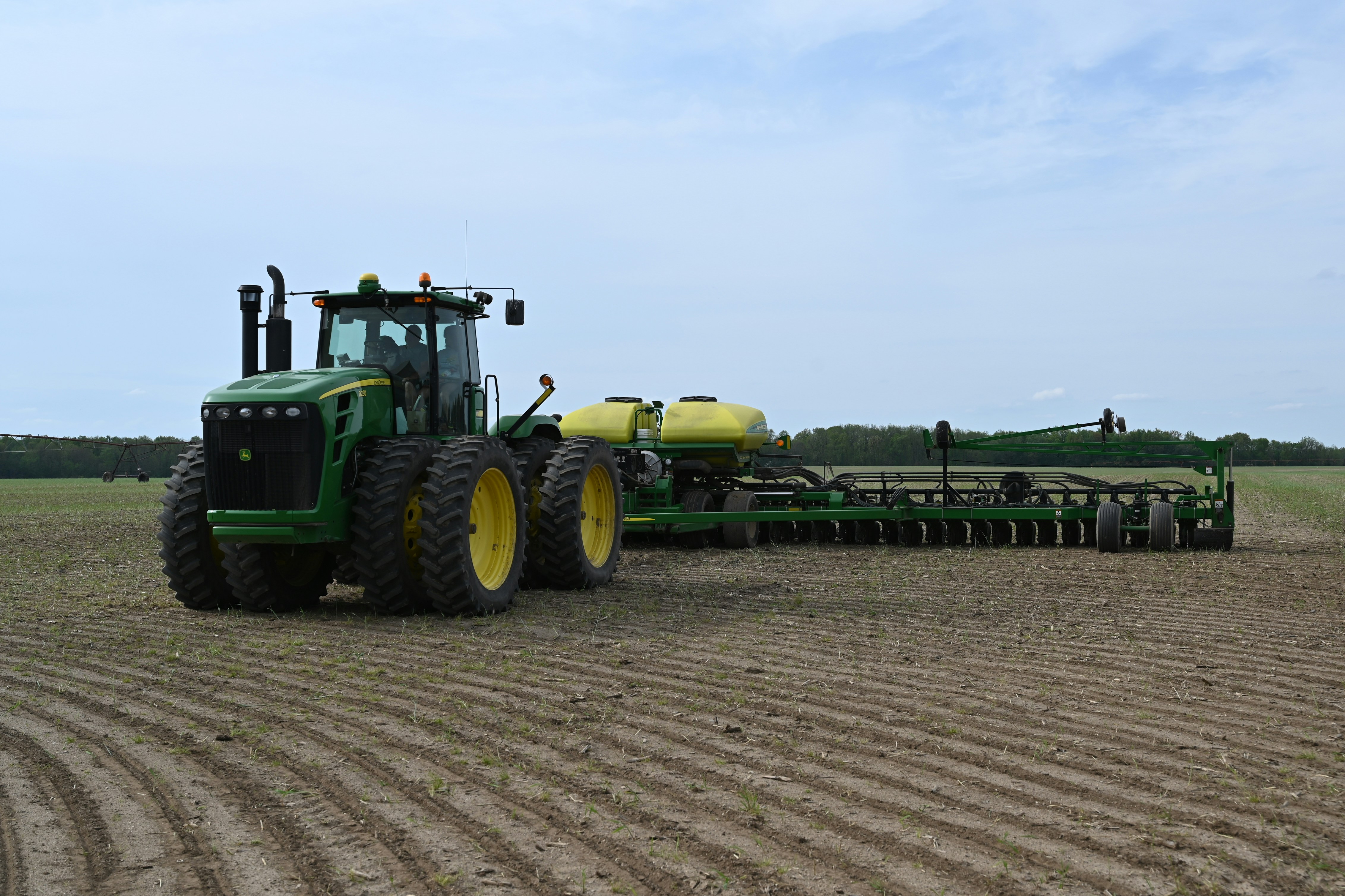
Precision agriculture leverages GPS, sensors, and data analytics to monitor crop health, soil conditions, and water usage in real time. Farmers can apply fertilizers, pesticides, and water with pinpoint accuracy, reducing waste and improving yields. This targeted approach not only boosts productivity but also minimizes environmental impact.
2. Smart Irrigation Systems
Water scarcity is a major issue in agriculture. Smart irrigation systems use weather forecasts, soil moisture sensors, and AI to optimize water usage. By delivering the right amount of water at the right time, these systems significantly conserve resources while ensuring crops thrive.
3. Drones and Aerial Imaging
Drones provide high-resolution images and multispectral data, allowing farmers to detect crop diseases, monitor field conditions, and assess growth patterns. This bird’s-eye view offers insights that are difficult or impossible to gain from the ground.
4. Robotics and Automation
Autonomous tractors, robotic weeders, and harvesters are revolutionizing farm labor. These machines reduce dependency on seasonal workers, operate with incredible precision, and work around the clock—boosting efficiency and reducing costs.
5. Vertical and Indoor Farming
Urban farming is on the rise thanks to controlled environment agriculture. Vertical farms use hydroponics or aeroponics to grow crops in stacked layers, often indoors. This method uses up to 95% less water, requires no soil, and can produce food year-round, close to urban centers.
Challenges and Considerations
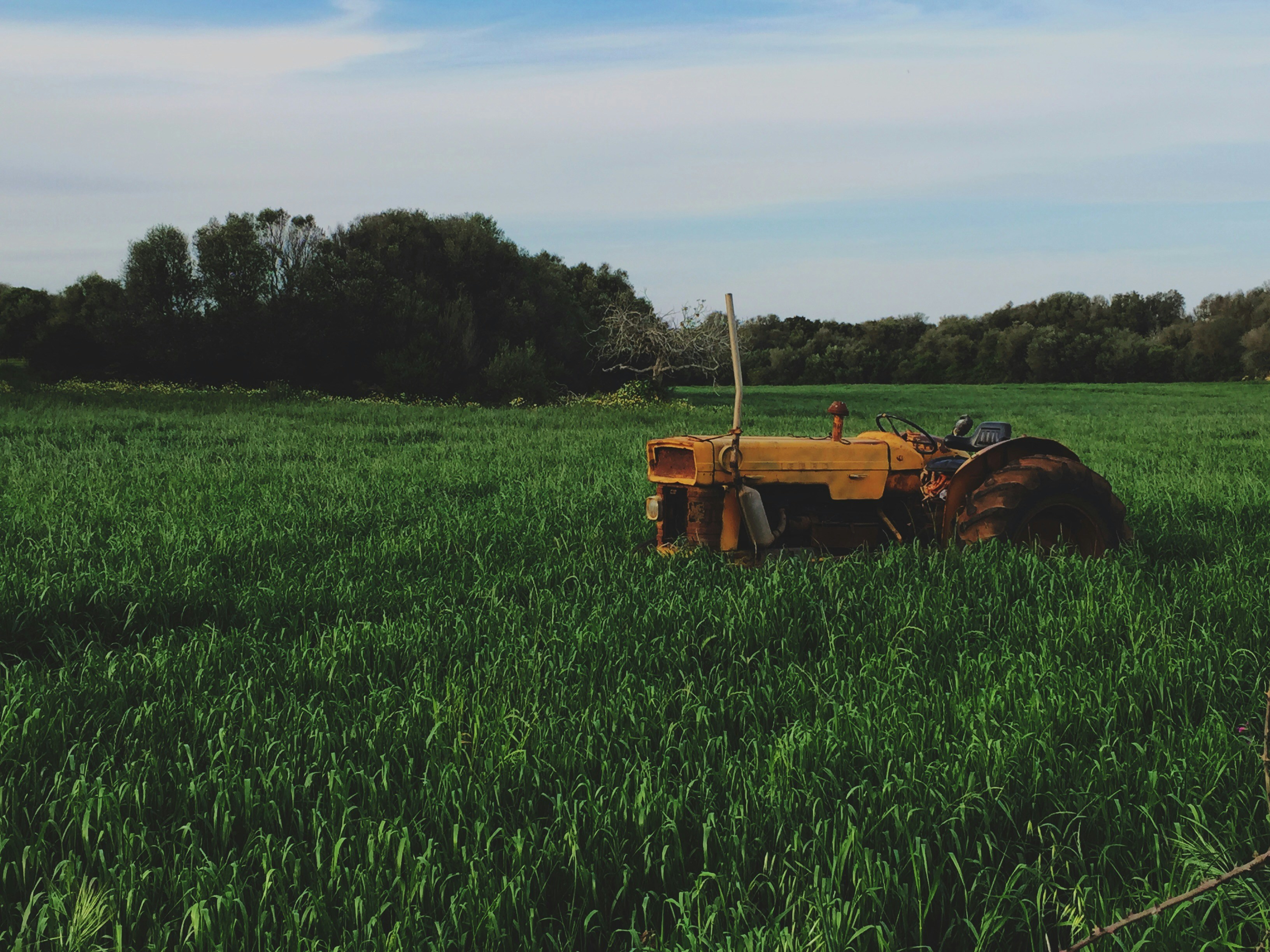
While the potential is immense, AgriTech adoption isn’t without hurdles. High initial costs, lack of infrastructure, digital literacy gaps, and regulatory challenges can limit access—especially for small-scale farmers. Bridging this digital divide will be key to ensuring equitable growth across the agricultural sector.
Looking Ahead
The fusion of agriculture and technology is just beginning. As innovation accelerates, the future of farming promises to be more intelligent, sustainable, and resilient. With continued investment, collaboration, and education, AgriTech can help feed the world—without costing the Earth.

