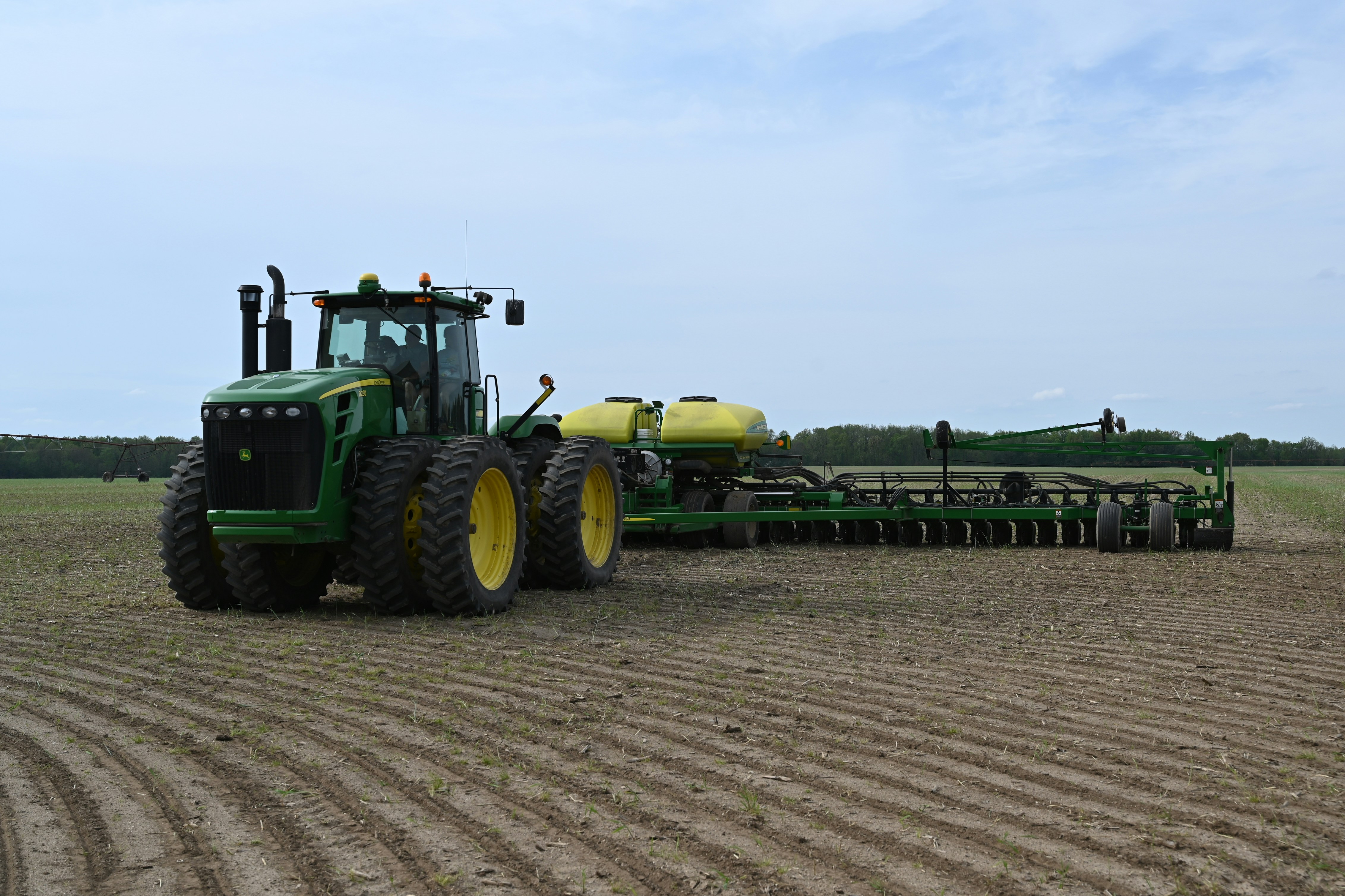
Farmer's Success with AgriTech Solutions
For generations, farming has been rooted in tradition—guided by experience, intuition, and weather patterns. But for Emmanuel, a third-generation farmer in Kenya’s Rift Valley, tradition wasn’t enough. Unpredictable rainfall, rising input costs, and soil degradation were threatening his family’s livelihood. That changed when he embraced AgriTech—and turned his struggling farm into a thriving operation.

A Farm on the Brink
Just five years ago, Emmanuel's maize yields had dropped by nearly 40% due to erratic weather and poor soil health. His costs were rising, but his harvests couldn’t keep up. “I was working harder but seeing fewer results,” he recalls. “It felt like the land was fighting back.”
Frustrated but determined, Emmanuel sought help. Through a local agricultural extension program, he was introduced to a startup offering smart farming solutions tailored for smallholders.
The AgriTech Makeover
Emmanuel’s journey with AgriTech began with three core tools: soil sensors, a precision irrigation system, and a mobile farming app.
1. Soil and Climate Sensors
With affordable IoT sensors placed in his fields, Emmanuel could now monitor soil pH, moisture, and nutrient levels in real time. No more guesswork. He adjusted his fertilizer use based on actual need—cutting costs and improving soil health.
2. Smart Irrigation
Instead of traditional flood irrigation, Emmanuel installed a solar-powered drip system connected to a weather-based controller. The result? His water usage dropped by 60%, and his maize crops saw more consistent growth—even during dry spells.
3. Mobile Advisory App
Through an app on his basic smartphone, Emmanuel received localized weather updates, pest alerts, and market price trends. He also connected with agronomists for remote support. With this digital guidance, he timed planting and pest control with greater accuracy.
Harvesting the Rewards
In just two seasons, Emmanuel’s maize yield more than doubled. His input costs decreased by 35%, and for the first time in years, he had surplus crops to sell at a profit. “AgriTech gave me control over my farm again,” he says with a smile. “It’s like farming with a sixth sense.”
But the impact didn’t stop at his farm gate.
Job Creation: Emmanuel trained two local youths to help manage the tech tools, providing employment.
Community Leadership: His success inspired other farmers in his cooperative to adopt similar tools.
Sustainable Practices: With less water use, fewer chemicals, and healthier soils, Emmanuel’s farm became a model of eco-friendly agriculture.

Lessons from the Field
Emmanuel’s story underscores a vital truth: technology doesn’t replace farmers—it empowers them. But for AgriTech to succeed broadly, it must be:
Affordable: Tools must be cost-effective for smallholders.
Localized: Solutions need to adapt to local climates, languages, and crops.
Supported: Training and extension services are essential for adoption and trust.
A Glimpse into the Future
Today, Emmanuel is expanding into greenhouse farming, experimenting with AI-powered crop monitoring, and mentoring young farmers. What started as a last-ditch effort to save his land has blossomed into a vision for sustainable, tech-enabled agriculture across his region.